

Dogs
Discover expert tips, trusted advice, and the best products to keep your dog healthy, happy, and active.

Cats
Explore expert care tips, nutrition guides, and the best products to keep your cat healthy, happy, and thriving.

Birds
Find expert care tips, feeding guides, and the best products to help your birds stay healthy, happy, and vibrant.

Small Pets
Discover expert care tips, nutrition advice, and essential products for rabbits, hamsters, guinea pigs, and other small pets.

Reptiles
Explore expert care tips, habitat guides, and essential products to keep your reptiles healthy, comfortable, and thriving.

Best Pet Products
Explore our top-rated pet products, carefully selected to keep your pets healthy, happy, and well cared for.

Fat Cat? When Chubby Becomes Dangerous: Weight Guide
Quick answer: A fat cat becomes a health risk when you cannot easily feel the ribs, the waist disappears, and the belly sags. That usually

Reverse Sneezing in Dogs: Causes and 20-Second Fixes
Quick answer: Reverse sneezing in dogs is a harmless throat spasm that sounds like loud snorting and usually stops within 30 seconds. End it faster

Fireworks Anxiety in Pets: New Year’s Eve Survival Guide
Quick answer: Fireworks anxiety hits pets hard every New Year, so start preparing about two weeks out: set up a safe room, trial calming aids

Ball Python Care for Beginners: Setup, Feeding and Handling
Quick answer: A ball python care guide starts with the essentials. You need a secure enclosure with a warm side at 88 to 92°F and

Can Cats Have Blueberries? Safe Portion Guide for Cats
Quick answer: Can cats have blueberries? Yes, in tiny amounts. Two to three washed berries now and then are safe for most healthy cats. They

Budgerigar Diet: How to Break the All-Seed Habit Fast
Quick answer: A healthy budgerigar diet is about 60 to 75 percent formulated pellets and 20 to 25 percent vegetables and leafy greens. Seed is

12 Puppy Mistakes New Dog Owners Make and How to Fix Them
Quick answer: The puppy mistakes new owners make most come down to four habits: skipping early socialization, giving too much freedom too soon, punishing potty

Bearded Dragon Feeding Chart: Insects + Greens Schedule
Quick answer: A bearded dragon feeding chart maps the insects-to-greens ratio by age. Babies (0 to 3 months) eat about 70 to 80 percent insects,

Best Diet for Pet Rats: Daily Feeding Guide and Portions
Quick answer: The best diet for pet rats starts with lab blocks as the base, making up roughly 75 to 80 percent of daily food.

Do Cats Bleed When in Heat? The Truth About Feline Heat
Quick answer: Do cats bleed when in heat? No. A healthy female cat in heat does not bleed the way dogs do or the way

Labrador vs Golden Retriever: An Honest Breed Comparison
Quick answer: In the labrador vs golden retriever debate, both are friendly, intelligent family dogs, but they suit different homes. Labs are more energetic, lower

Cockatiel Diet: Daily Feeding Guide With Pellets and Chop
Quick answer: A healthy cockatiel diet is built on pellets (about 60 percent of daily food) plus a fresh serving of chopped vegetables every day,

Can Cats Eat Tuna? Mercury Limits and Safe Portions
Quick answer: Can cats eat tuna? Yes, but only as an occasional treat. Offer plain tuna packed in water, about one tablespoon once a week

Xylitol and Dogs: The Hidden Killer in Peanut Butter
Quick answer: Yes. Xylitol poisoning in dogs is a real emergency: this common sweetener triggers a rapid insulin release that can crash a dog’s blood

How Much Should I Feed My Dog? Chart by Weight and Age
Quick answer: How much should I feed my dog? Most adult dogs need about 1 to 4 cups of dry food per day depending on
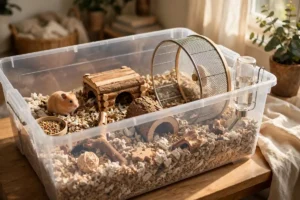
Minimum Hamster Cage Size: How Much Space Hamsters Need
Quick answer: The minimum hamster cage size is 450 square inches of unbroken floor space, roughly a 30 by 15 inch footprint, with bigger always

Cockatiel vs Parakeet: Which Beginner Bird Is Right for You?
Quick answer: Cockatiels are the better beginner bird if you want a calm, cuddly companion that whistles and perches on your shoulder. Parakeets (budgies) are

7 Maine Coon Mistakes New Owners Regret (Avoid These)
Quick answer: The Maine Coon mistakes new owners regret most are buying regular-size gear for a giant cat, skipping daily brushing until mats form, underfeeding

Loose Leash Walking: 5-Step Method That Actually Works
Quick answer: Loose leash walking training teaches your dog that a tight leash stops the walk while a loose leash keeps it going. The core

How to Stop a Cat From Biting: Play vs Aggression Guide
Quick answer: Most cat biting is communication, not meanness. The first step in learning how to stop cat biting is figuring out which of the

How to Clean Dog Ears at Home: Safe Step-by-Step Guide
Quick answer: When you’re learning how to clean dog ears at home, the ears must look healthy and the dog must be comfortable. The calm

GI Stasis in Rabbits: The #1 Killer (Signs + Emergency)
Quick answer: GI stasis in rabbits is a medical emergency. If your rabbit has not eaten or produced droppings for 12 hours, or is hunched,

Puppy Separation Anxiety: First-Week Alone-Training Plan
Quick answer: Puppy separation anxiety fades fastest when alone time is introduced gradually, not all at once. Set up a safe space (crate or pen),

Best Dog Brushes for Shedding: Compared by Coat Type
Quick answer: The best dog brushes for shedding depend on coat type, not the price tag. Dense short coats like a Labrador’s do best with
Popular Guides
Reader favourites, start with these



In-depth care guides
Pet categories covered
Free advice, always
Previous Guides
Older favourites worth a read
Loading guides...
Pet Parent FAQs
Quick answers to questions every pet parent asks
Yes. Every guide on PetsVentres is free to read. No sign-up, no paywall. We publish practical pet-care guides for dogs, cats, birds, small pets and reptiles, plus honest product roundups.
For most adult pets, a checkup once a year is the standard recommendation. Puppies, kittens and senior pets usually benefit from visits every six months. If you notice sudden changes in appetite, energy or behaviour, see your vet sooner.
A complete and balanced food made for your dog's age, size and activity level. Look for an AAFCO statement on the label, keep fresh water available at all times, and ask your vet before switching foods or adding supplements.
Watch for changes: eating less, hiding more, litter-box changes, vomiting, coughing or a dull coat. Cats hide illness well, so even small behaviour shifts are worth a call to your vet.
Start with a beginner care guide for your pet type. Our guides cover housing, feeding, grooming and health basics. Then browse the Dogs, Cats, Birds, Small Pets and Reptiles categories for deeper topics.
Most adult dogs need 30 minutes to 2 hours of exercise daily, depending on breed, age and energy level. High-energy breeds need long walks plus active play, while smaller or senior dogs do well with shorter strolls. Split exercise into two or more sessions per day.
Brush short-haired cats once a week and long-haired cats every day to prevent mats and hairballs. Most cats never need baths unless they get dirty. Trim nails every two to four weeks and check ears for wax buildup.
The most dangerous foods for dogs are chocolate, grapes and raisins, onions and garlic, xylitol (found in sugar-free gum and sweets), alcohol, caffeine, macadamia nuts and cooked bones. If your dog eats any of these, contact your vet right away.
Foods toxic to cats include onions, garlic, chocolate, grapes, alcohol, caffeine, xylitol, raw eggs and raw fish. Lilies are extremely poisonous to cats, even a small amount of pollen, so keep lilies out of homes with cats.
Dogs live 10 to 13 years on average. Small breeds often reach 12 to 16 years, while large and giant breeds average 8 to 12 years. Good nutrition, regular exercise, a healthy weight and routine vet care all support a longer life.
Indoor cats live 12 to 18 years on average, and some reach 20. Cats that roam outdoors average only 2 to 5 years because of traffic, disease, fights and predators. Keeping your cat indoors with toys, scratching posts and window perches adds years to their life.
Start your new pet in one quiet room with food, water, bedding and a litter box or crate. Let them settle for a few days, then open up one new area at a time. When introducing them to other pets, swap scents first and keep early meetings short and supervised.
Dogs usually bark from boredom, anxiety, territorial instinct, excitement or to get attention. First increase daily exercise and mental play, then reward calm, quiet behaviour with treats. Never shout at barking, it sounds like joining in. For persistent barking, ask your vet or a trainer.
Scoop a cat's litter box every day and replace all the litter once a week. Wash the box with mild soap monthly. For small pets, spot-clean soiled bedding daily and do a full bedding change every week. Bird cages need a fresh liner daily and a full clean weekly.
Switch small-breed puppies to adult food at 9 to 12 months, medium and large breeds at 12 to 18 months, and giant breeds at up to 24 months. Kittens usually move to adult food at 12 months. Change foods gradually over 7 to 10 days to avoid stomach upset.